
How to Choose the Right Car for Your Needs in 2026
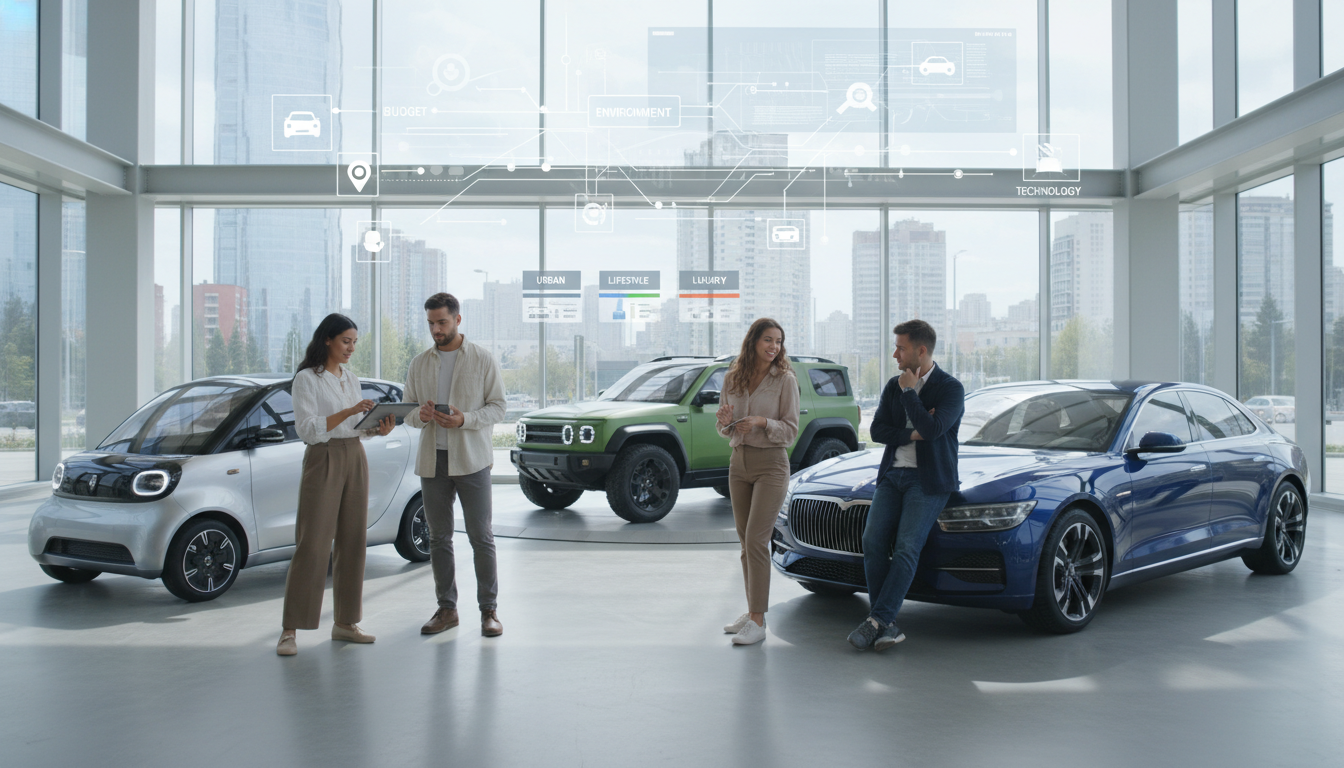

Choosing the right car in 2026 requires a comprehensive evaluation of your daily driving habits, a strategic comparison of electric vehicles (EVs), plug-in hybrids (PHEVs), and internal combustion engines (ICE), and a precise calculation of the total cost of ownership, including insurance, charging infrastructure, and depreciation.
The automotive market has transformed dramatically. We are no longer just choosing between petrol and diesel; we are navigating a complex ecosystem of software-defined vehicles, advanced driver assistance systems (ADAS), and fluctuating battery ranges. Having spent over two decades analyzing global automotive trends and vehicle valuation metrics, I have witnessed first-hand how rapidly consumer needs must adapt to technological shifts. Today, selecting a vehicle is as much about digital connectivity and energy efficiency as it is about horsepower and cargo space. This definitive guide will navigate you through the intricacies of the 2026 automotive landscape, ensuring your next vehicle perfectly aligns with your lifestyle, budget, and long-term mobility requirements.
The car industry in 2026 is defined by the maturation of electrification and the rise of the software-defined vehicle (SDV). Previously, a car’s value was primarily dictated by its mechanical engineering. Today, a vehicle’s longevity and capability are heavily influenced by its computing power and ability to receive Over-The-Air (OTA) updates. This shift means that when you buy a car today, you are essentially purchasing a rolling computer that can improve its features, battery management, and safety protocols over time.
Furthermore, the infrastructure supporting electric and hybrid vehicles has expanded significantly. Ultra-rapid DC charging networks are now more prevalent, reducing range anxiety for long-distance commuters. However, this technological leap also brings new complexities. Insurance premiums have adjusted to account for expensive sensor repairs, and the depreciation curves for traditional combustion vehicles are shifting as emissions regulations tighten globally. Understanding these macro-level trends is the foundational step in making an informed automotive investment.
The most critical decision you will make in 2026 is selecting the right powertrain. The “one size fits all” approach is obsolete. Your choice must be a calculated reflection of your daily mileage, access to charging, and long-term ownership goals.
Electric vehicles have moved past the early adopter phase. In 2026, standard BEVs routinely offer real-world ranges exceeding 250 to 350 miles on a single charge, thanks to advancements in solid-state battery research and highly efficient thermal management systems. If you have access to a home wallbox charger and your daily commute is under 100 miles, a BEV is undeniably the most cost-effective and environmentally conscious choice. The operational costs are a fraction of petrol equivalents, and the instant torque provides a superior driving experience. However, buyers must factor in the installation cost of a home charger and the slight premium on initial purchase prices.
For those who suffer from range anxiety or frequently embark on unpredictable long-distance journeys, PHEVs represent the ultimate bridge technology. Modern PHEVs in 2026 boast electric-only ranges of 50 to 80 miles, easily covering the average daily commute on pure electricity. When the battery depletes, the internal combustion engine seamlessly takes over. This dual-nature powertrain demands discipline; if you do not plug it in regularly, you are simply hauling around a heavy, depleted battery, which severely degrades fuel economy.
Self-charging hybrids remain a powerhouse of efficiency for urban drivers who cannot install a home charger. These vehicles recapture kinetic energy during braking to charge a small battery, assisting the engine during acceleration and allowing for short bursts of electric-only driving at low speeds. They offer exceptional fuel economy in stop-and-go traffic without any plug-in requirements. Mild hybrids, on the other hand, merely use a small 48-volt system to power ancillaries and smooth out the start-stop system, offering marginal efficiency gains.
While their market share is shrinking, traditional petrol and diesel engines still hold relevance in 2026. For rural drivers, those towing heavy loads, or individuals who consistently drive hundreds of miles a day across remote areas, modern, ultra-efficient diesel and petrol engines remain highly practical. However, buyers must be acutely aware of increasing urban emission zone charges and steeper depreciation as the market continues its electric transition.
Beyond the engine, the physical architecture of the car must seamlessly integrate into your daily routine. It is incredibly easy to overbuy on space or underbuy on utility. You must conduct a ruthless audit of your actual driving habits, rather than your aspirational ones.
If 90% of your driving involves navigating congested city streets and squeezing into tight parking spaces, a compact hatchback or a small crossover is ideal. Look for vehicles with a tight turning circle, excellent outward visibility, and robust low-speed autonomous braking systems. In this environment, a smaller BEV or a self-charging hybrid will yield the best financial and practical returns.
Families require versatility. While SUVs dominate the market due to their elevated driving position and perceived safety, do not overlook the modern estate car (station wagon). Estates often provide superior driving dynamics, better fuel economy due to lower aerodynamic drag, and longer, more usable cargo floors than their bulky SUV counterparts. If you opt for an SUV, evaluate the accessibility of the third row (if applicable) and whether the boot space remains practical when all seats are deployed.
For sales professionals or those with extensive motorway commutes, cabin refinement is paramount. Prioritize vehicles with exceptional NVH (Noise, Vibration, and Harshness) dampening, ergonomic seating with lumbar support, and advanced Level 2+ semi-autonomous driving features like adaptive cruise control with lane centering. Aerodynamic saloons (sedans) and grand tourers excel in this category.
The sticker price of a vehicle is merely the entry fee. To choose the right car, you must calculate the Total Cost of Ownership over a projected three to five-year period. Many buyers make the mistake of stretching their budget for the initial purchase, only to be overwhelmed by the running costs.
| Cost Category | Electric Vehicles (BEVs) | Plug-in Hybrids (PHEVs) | Internal Combustion (ICE) |
|---|---|---|---|
| Initial Purchase Price | Highest (though gap is closing) | Moderate to High | Lowest |
| Fuel / Energy Costs | Lowest (if charging at home) | Low (if charged daily) | Highest (subject to fuel prices) |
| Routine Maintenance | Minimal (fewer moving parts) | High (maintaining two powertrains) | Moderate (regular oil/filter changes) |
| Insurance Premiums | Higher (expensive battery repairs) | Moderate | Standard |
| Depreciation | Stabilizing (dependent on battery health) | Moderate | Accelerating (due to emission laws) |
Pro Tip on Depreciation: In 2026, the resale value of a used EV is heavily tied to its Battery State of Health (SoH). When buying new, look for manufacturers that offer robust battery warranties (typically 8 years or 100,000 miles) to protect your investment’s future residual value.
Modern vehicles are packed with technology, but not all of it adds tangible value to your driving experience. Distinguishing between a gimmick and a necessity will save you money and frustration.
Safety technology has leaped forward. You should prioritize vehicles equipped with predictive forward collision warning, blind-spot intervention (not just monitoring), and rear cross-traffic alert. In 2026, advanced matrix LED headlights that automatically shade oncoming vehicles while illuminating the rest of the road are a must-have for night driving safety.
The native infotainment system is less critical today than its ability to mirror your smartphone. Ensure the vehicle supports wireless Apple CarPlay and Android Auto. Furthermore, investigate the manufacturer’s companion app. A robust app allows you to pre-condition the cabin temperature, check battery/fuel levels, and lock the car remotely—features that significantly enhance daily convenience.
If you are exploring the EV market, V2L is a game-changer. This technology allows your car’s battery to power external devices, transforming your vehicle into a mobile power bank. Whether you are camping, powering tools on a job site, or keeping essential home appliances running during a power outage, V2L adds a massive layer of utility to your purchase.
Once you have narrowed down your preferences, the purchasing process requires a strategic approach to ensure you secure the best vehicle at the most competitive price.
The method by which you acquire your vehicle is just as important as the vehicle itself. The rapid pace of technological advancement in 2026 has fundamentally altered the traditional buying vs. leasing debate.
Leasing or utilizing a PCP agreement is highly attractive in the current climate, particularly for electric vehicles. Because battery technology and software capabilities are evolving so rapidly, leasing allows you to drive the latest technology for three to four years and then simply hand the keys back, completely insulating yourself from depreciation risks and the anxiety of outdated battery tech. You pay for the depreciation during your term, not the entire asset.
Buying a car outright with cash or through a traditional Hire Purchase agreement means you eventually own the asset completely. This is the best financial route if you intend to keep the vehicle for seven to ten years. If you are purchasing a highly reliable internal combustion engine vehicle or a proven hybrid model with a long track record of durability, outright ownership eliminates monthly payments down the line and allows for unrestricted mileage.
A growing trend in 2026 is the all-inclusive vehicle subscription model. These services bundle the car, insurance, maintenance, and road tax into a single, flexible monthly payment. While the monthly cost is typically higher than a standard lease, the ability to swap vehicles or cancel the contract with minimal notice provides unparalleled flexibility for those with shifting lifestyle needs.
To further clarify the complexities of the modern automotive market, here are authoritative answers to the most pressing questions buyers face today.
If you have off-street parking and can install a dedicated home charger, yes. The operational savings on fuel and tax are substantial, and the public charging infrastructure has matured enough to handle occasional long trips comfortably. However, if you rely solely on public charging, the premium cost of public rapid chargers can negate the fuel savings compared to a highly efficient hybrid.
Consumers often over-index on maximum range. The average daily driving distance is less than 30 miles. A vehicle with a real-world range of 200 to 250 miles is more than sufficient for 95% of drivers. Paying a massive premium for a 400-mile battery that you only utilize twice a year is a poor allocation of your budget. Instead, prioritize a vehicle’s maximum charging speed (e.g., 150kW or higher), which dictates how fast you can get back on the road during long trips.
No, but their depreciation curves are steepening. ICE vehicles will remain highly sought after in the used market for many years, particularly in rural areas and developing markets. However, as more cities implement strict zero-emission zones, the daily utility of ICE vehicles in urban environments will decrease, which will inevitably impact their long-term residual value.
Beyond the obvious need for space and a high Euro NCAP safety rating, the most crucial feature for families in 2026 is interior durability and adaptable cargo solutions. Look for vehicles with wipe-clean materials, multiple ISOFIX points (ideally including the front passenger seat for flexibility), and a boot floor that sits flush with the loading lip to make sliding heavy prams or luggage in and out effortless.
Choosing the right car in 2026 is an exercise in balancing immediate desires with long-term practicalities. The automotive industry is offering more choices than ever before, which is both a blessing and a challenge. By meticulously analyzing your true daily driving needs, understanding the nuanced differences between modern powertrains, and accurately calculating the total cost of ownership, you position yourself to make an empowering financial decision.
Remember that a vehicle is a depreciating asset, but it is also a vital tool that facilitates your daily life. Do not be swayed purely by aggressive marketing or aesthetic appeal. Prioritize safety, technological relevance, and ergonomic comfort. Whether you ultimately decide on a cutting-edge electric SUV, a hyper-efficient plug-in hybrid estate, or a reliable petrol hatchback, ensuring the vehicle aligns with your financial boundaries and lifestyle requirements is the true hallmark of a successful automotive purchase in 2026.