
Nissan Sunderland Plant Closure News: Latest Updates and UK Industry Impact
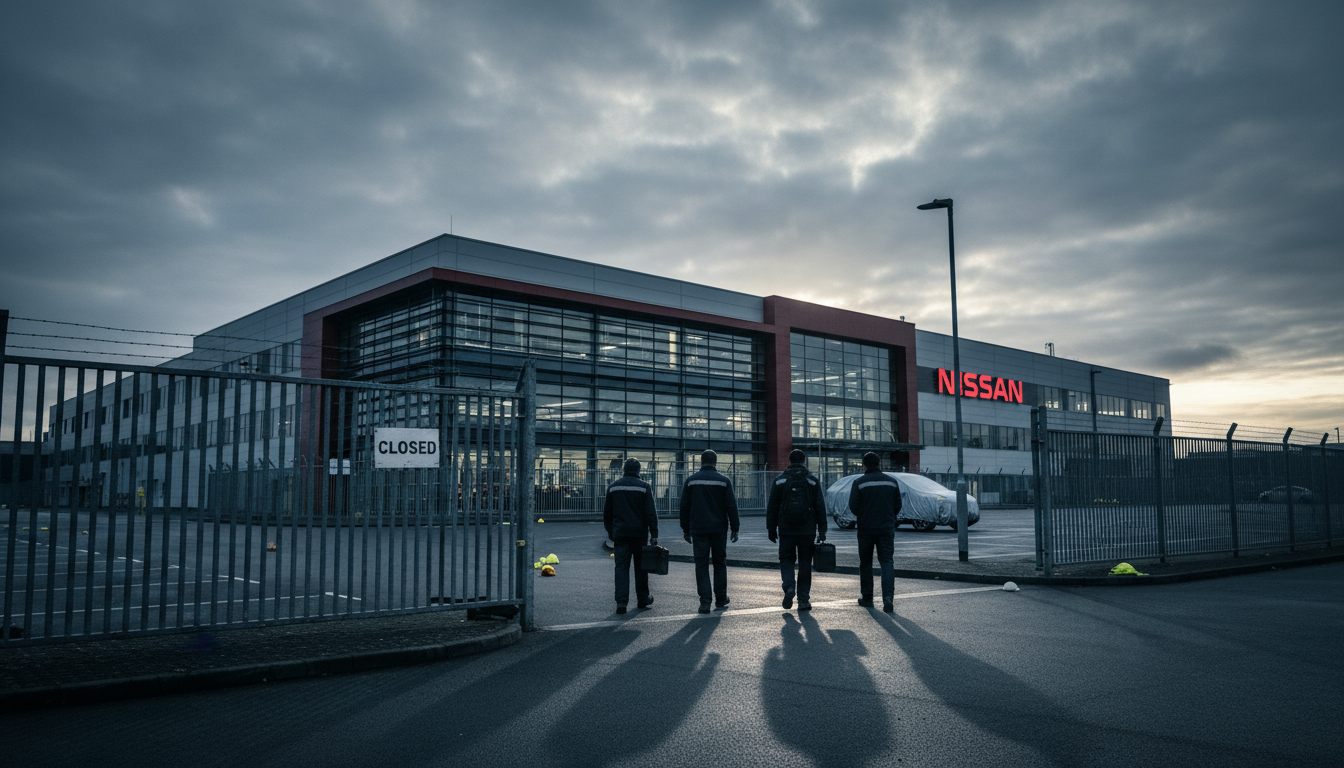

Recent headlines regarding the Nissan Sunderland plant closure have sparked significant concern across the UK automotive sector, but the reality is far more nuanced than a simple shutdown. While certain traditional production lines, such as the older generation Nissan Leaf, have paused or closed, the facility is actually undergoing a massive multi-billion-pound transformation. This transition towards electric vehicle manufacturing, spearheaded by the EV36Zero project, will redefine the automotive supply chain, secure thousands of car manufacturing jobs in the North East economy, and navigate the complex post-Brexit trade deals. For UK motor trade professionals, understanding these shifts is critical for forecasting vehicle availability and pricing.
As a seasoned automotive industry analyst, I have tracked the evolution of UK car manufacturing through decades of economic shifts. The narrative surrounding the Nissan Sunderland facility is often clouded by sensationalism. In this definitive guide, we will dissect the latest updates on the plant’s operational status, explore the profound economic ripple effects on the UK industry, and provide strategic insights for dealerships navigating this transitional period.
To understand the current climate, we must separate fact from fiction. The term “closure” has been widely circulated in the media, but it predominantly refers to the strategic cessation of specific legacy production lines rather than the shuttering of the entire plant. Nissan’s Sunderland facility, which has been the beating heart of UK automotive manufacturing since 1986, is not closing its doors. Instead, it is undergoing one of the most aggressive retooling processes in modern industrial history.
Recently, Nissan confirmed the end of production for the current generation of the Nissan Leaf at the Sunderland plant. This specific line closure was necessary to prepare the factory floors for a new era of zero-emission vehicles. The halting of the Leaf line temporarily reduces output and creates a transitional gap, which has understandably caused anxiety among the local workforce and the broader automotive supply chain. However, this pause is a calculated step in a much larger, future-proof strategy.
The global automotive industry is racing towards electrification, and facilities that fail to adapt face obsolescence. By closing outdated lines, Nissan is clearing the runway for advanced electric vehicle manufacturing. For the UK market, this means a temporary dip in domestic new car supply for specific models, but a long-term guarantee of high-tech manufacturing capabilities on British soil.
Far from abandoning the UK, Nissan has doubled down on its commitment to the North East with the announcement of the EV36Zero project. This initiative represents a £2 billion investment designed to create a world-first electric vehicle manufacturing ecosystem. The project integrates vehicle production, battery manufacturing, and renewable energy generation into a single, cohesive hub.
A cornerstone of the EV36Zero project is the construction of a new gigafactory in partnership with Envision AESC. This facility will produce state-of-the-art batteries to power the next generation of Nissan EVs. The localization of battery production is a critical strategic move. Under post-Brexit trade deals, vehicles exported to the European Union must meet strict “Rules of Origin” criteria. By manufacturing batteries adjacent to the vehicle assembly lines, Nissan ensures its vehicles remain tariff-free when crossing the Channel, safeguarding the plant’s export viability.
The retooling of the Sunderland plant will pave the way for the production of three brand-new electric vehicles. These include the electric successors to the immensely popular Nissan Qashqai and Nissan Juke, alongside a next-generation electric vehicle poised to replace the Leaf. The commitment to build the electric Qashqai and Juke in the UK is a monumental vote of confidence in the Sunderland workforce, as these models represent the lion’s share of Nissan’s European sales volume.
In alignment with global sustainability goals, the EV36Zero hub will be powered by a bespoke renewable energy microgrid. Incorporating existing wind turbines and a massive new solar farm, this infrastructure aims to deliver 100% renewable electricity to the plant, drastically reducing the carbon footprint of the manufacturing process. This green industrial revolution sets a benchmark for automotive plants worldwide.
The transition at the Sunderland plant sends shockwaves—both positive and challenging—throughout the UK automotive ecosystem. The facility is a massive economic engine, and any disruption or evolution within its walls impacts thousands of businesses across the country.
The Sunderland plant directly employs approximately 7,000 people. However, its true economic weight lies in the supply chain. An estimated 30,000 indirect jobs across the UK rely on the plant’s continued operation. The strategic shift to EV manufacturing secures these roles for the next generation. While the temporary closure of legacy lines may lead to short-term furlough or retraining periods, the long-term outlook is one of job preservation and upskilling.
Tier 1 and Tier 2 suppliers are currently facing a complex transition period. Suppliers that previously provided components for internal combustion engines (ICE) or legacy platforms must pivot to support EV architecture. This requires significant capital investment in new tooling and R&D. Some smaller suppliers may struggle to bridge the gap during the production pause, leading to potential consolidation within the UK automotive supply chain.
For UK car dealers, the transition at Sunderland has immediate practical implications. The cessation of current Leaf production and the gradual phase-out of certain ICE variants mean that new vehicle inventory will remain tight. Consequently, the value of high-quality used Nissan models, particularly the Qashqai and Juke, is expected to remain robust. Dealerships must adapt their sourcing strategies to maintain stock levels during this manufacturing bridging period.
As manufacturing shifts cause fluctuations in new car availability, motor trade professionals must rely on robust, high-liquidity platforms to source and sell used vehicle inventory. Adapting to these supply chain bottlenecks requires utilizing the best digital tools available. Here are the top marketplaces leading the charge in the UK:
One cannot discuss the future of the Nissan Sunderland plant without addressing the geopolitical elephant in the room: Brexit. When the UK formally left the European Union, the automotive industry faced the terrifying prospect of a “no-deal” scenario, which would have imposed devastating World Trade Organization (WTO) tariffs on car exports.
The eventual Trade and Cooperation Agreement (TCA) provided a lifeline, but it came with strings attached—specifically, the Rules of Origin (RoO). To qualify for tariff-free export to the EU, a significant percentage of a vehicle’s value must originate from within the UK or the EU. For electric vehicles, the battery accounts for a massive portion of this value.
“The localization of the Envision AESC gigafactory in Sunderland is not just a logistical convenience; it is a critical survival mechanism. Without local battery production, UK-built EVs would fail the Rules of Origin test, triggering a 10% tariff that would render them uncompetitive in the European market.”
Recent diplomatic negotiations successfully delayed stricter RoO requirements that were slated for 2024, pushing the cliff-edge back to 2027. This extension was a massive victory for the UK automotive industry, granting Nissan and its suppliers the crucial breathing room needed to scale up domestic battery production. The Sunderland plant’s survival and current expansion are direct results of navigating this complex geopolitical landscape successfully.
Understanding macroeconomic trends and manufacturing news is only valuable if it translates into actionable business strategies. As a trusted partner to the motor trade, Auto For Trade UK advises dealerships to take the following steps to insulate their businesses from supply chain volatility:
To truly grasp the magnitude of the Sunderland plant’s operations, it is helpful to view the data. The following table illustrates the projected impact of the EV36Zero hub compared to historical manufacturing metrics.
| Metric / Category | Historical ICE Era (Pre-2020) | EV36Zero Era (Projected 2026+) |
|---|---|---|
| Direct Plant Employment | Approx. 6,000 – 7,000 jobs | Securing 7,000 jobs (including battery plant) |
| Indirect Supply Chain Jobs | Approx. 25,000 jobs | Approx. 30,000 jobs (growth in tech/EV sectors) |
| Primary Energy Source | National Grid (Fossil Fuel Heavy) | 100% Renewable Microgrid (Wind & Solar) |
| Core Models Produced | Qashqai (ICE), Juke (ICE), Leaf (Gen 1/2) | Electric Qashqai, Electric Juke, Next-Gen EV |
| Battery Sourcing | Imported / Small-scale local | On-site Envision AESC Gigafactory (9GWh to 35GWh) |
The UK government has set ambitious targets to phase out the sale of new petrol and diesel cars. While the timeline has seen slight adjustments, the trajectory remains firmly pointed towards a zero-emission future. The transformation of the Nissan Sunderland plant is the physical manifestation of this policy shift.
By anchoring electric vehicle manufacturing in the North East, the UK is attempting to position itself as a European leader in green technology. However, this transition requires more than just factory retooling; it demands a holistic upgrade of the nation’s infrastructure. The success of the vehicles rolling off the Sunderland line will ultimately depend on the concurrent expansion of the UK’s public charging network and the stabilization of energy prices.
Furthermore, the skills developed by the Sunderland workforce will become a national asset. As traditional mechanics and assembly line workers upskill to handle high-voltage systems and advanced robotics, the UK creates a highly specialized labor force that can attract further foreign direct investment in the green tech sector.
The narrative of the Nissan Sunderland plant is one of resilience. From the uncertainty of the Brexit referendum to the global supply chain crises sparked by the pandemic, the facility has consistently adapted to survive. Over the next five years, we will witness the physical realization of the EV36Zero project.
For the UK motor trade, this period will be characterized by a gradual shift in the types of vehicles dominating the wholesale and retail markets. The internal combustion engine will not disappear overnight, but its dominance will steadily wane. Dealerships that proactively adapt their business models, leverage top-tier trading platforms, and educate their customer base will thrive in this new landscape.
In conclusion, the “closure” news surrounding Nissan Sunderland is a misinterpretation of a vital evolutionary step. The plant is shedding its legacy skin to emerge as a global powerhouse in electric vehicle manufacturing. This transition secures the future of the UK automotive industry, protects tens of thousands of livelihoods, and sets a new standard for sustainable industrial practices.
No, the Nissan Sunderland plant is not closing down completely. Recent news regarding closures refers specifically to the halting of older production lines, such as the current generation Nissan Leaf, to make way for a massive £2 billion retooling project aimed at producing next-generation electric vehicles.
EV36Zero is a flagship £2 billion investment by Nissan and its partners to create a world-first electric vehicle manufacturing hub in Sunderland. It combines new electric vehicle production, a massive new battery gigafactory built by Envision AESC, and a 100% renewable energy microgrid to power the operations.
Brexit introduced the risk of tariffs on vehicles exported from the UK to the EU. However, the Trade and Cooperation Agreement allows tariff-free trade provided vehicles meet “Rules of Origin” requirements. By building a battery gigafactory on-site in Sunderland, Nissan ensures its electric vehicles contain enough local content to remain tariff-free, securing the plant’s future.
Following the factory’s retooling, Nissan has confirmed it will build three new 100% electric vehicles at the Sunderland plant. These will be the electric successors to the current Nissan Qashqai and Nissan Juke, as well as a next-generation electric vehicle that will replace the outgoing Nissan Leaf.
In the short term, the pausing of certain production lines may lead to a tighter supply of specific new Nissan models, subsequently driving up demand and retained values for quality used stock. Dealerships will need to utilize specialized B2B platforms to maintain inventory levels and begin heavily investing in EV sales and servicing infrastructure to prepare for the new models arriving in the coming years.